
The Manchester Game Centre promotes game studies across a number of disciplines at local, national, and international levels. We deliver knowledge via our public-facing events, workshops, and teaching at our home at Manchester Metropolitan University.
The MGC was established in 2016 as a cross-university research network, drawing its membership from the Faculty of Arts and Humanities, Health and Education, and Science and Engineering at Manchester Met. It is co-led by Professor Paul Wake (English), Dr Chloé Wake (English) and Dr Jennifer Cromwell (History), supported by a wider leadership group including Dr Tom Brock (Sociology), Dr John Henry (Maths and Computing), Dr Frazer Heritage (Linguistics), Dr David Jackson (School of Digital Arts), Dr Wahida Khandker (Philosophy), Dr John Lean (Education), Dr Matteo Polato (English), and Dr Reuben Martens (English). Together we develop and promote research on games at Manchester Met, and we have unique expertise in creative research methods, game making, and games for social impact.
UPCOMING EVENTS
The ArchaeoGaming Conference (AGCon) is an annual virtual conference hosted by the ArchaeoGaming Collective (AGC), bringing together researchers, students, game developers, heritage professionals, and gaming enthusiasts to explore the intersections of archaeology and games.

Join us to help playtest Death occurs abroad, an archive-building roleplaying game set during World War Two.
Dr Kirsty Bunting will be delivering a talk on her use of games the teaching of creative writing at the National Association of Writers in Education’s 2026 Conference.

SODA and POC in Play invite you to the return of the international diverse games, animation and digital media festival in Manchester Metropolitan’s School of Digital Arts.
News

MGC member Dr Kirsty Bunting has appeared on the L&T Chat Show talking about Always on My Mind, a romance card game based on Wolfgang Warsch’s The Mind that she created with MGC colleagues Chloé Wake and Paul Wake.
Multiplatform is the annual Manchester Game Centre symposium dedicated to analogue and digital game studies and practice. In 2027, we turn to the theme of history and games, exploring the uses of history within games, the role that games can play in engaging with and interrogating the past, and the history of games themselves.

Our International Research Fellow Steven Dashiell has a new article out. "Looking behind the curtain: assessing gender capital and gaming capital in tabletop spaces" has just been published in the International Journal of the Sociology of Leisure.
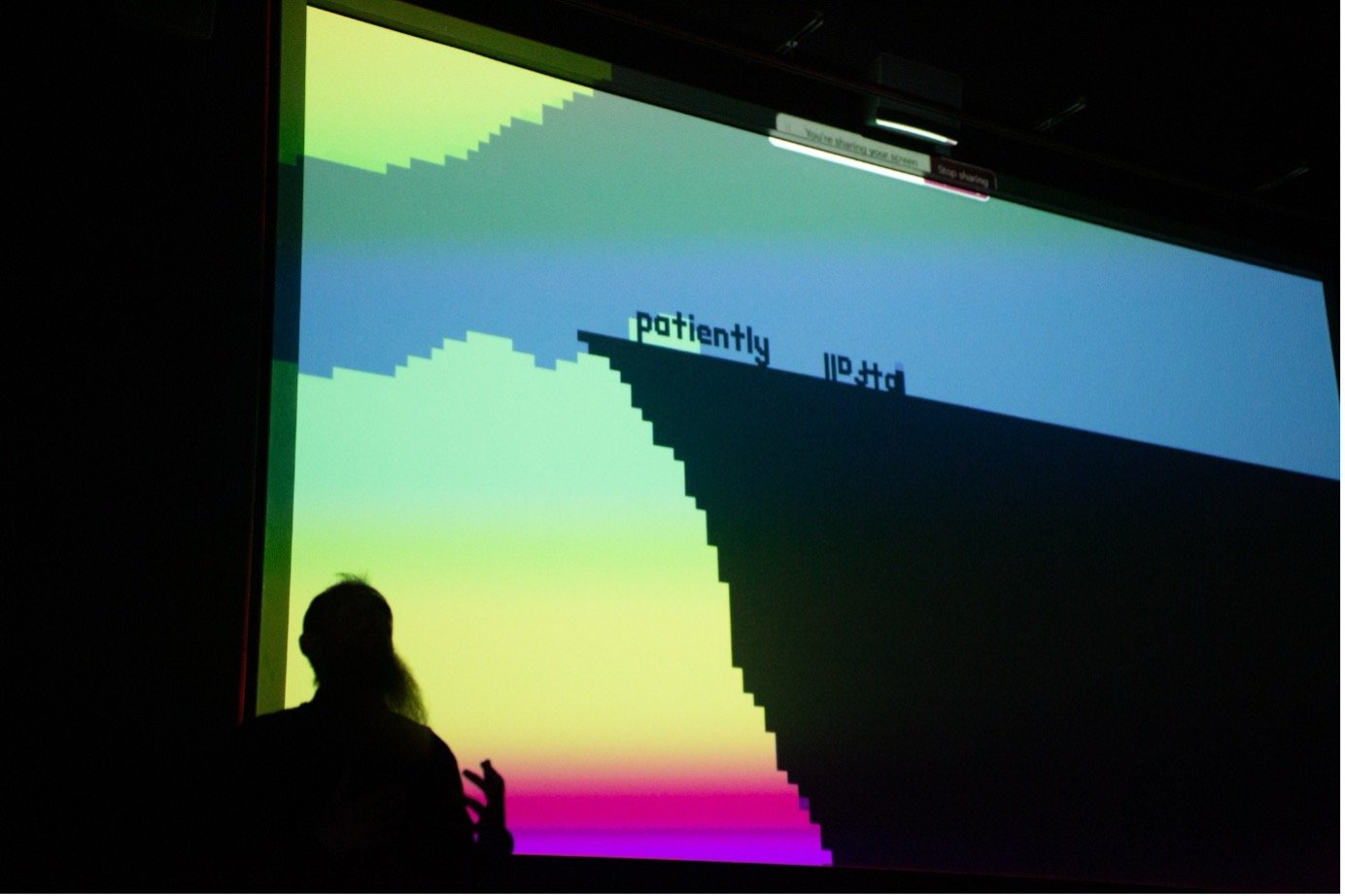
A reflection by Martin Kratz on the 2026’s MGC annual conference: Multiplatform: Poetry in Games / Games in Poetry.
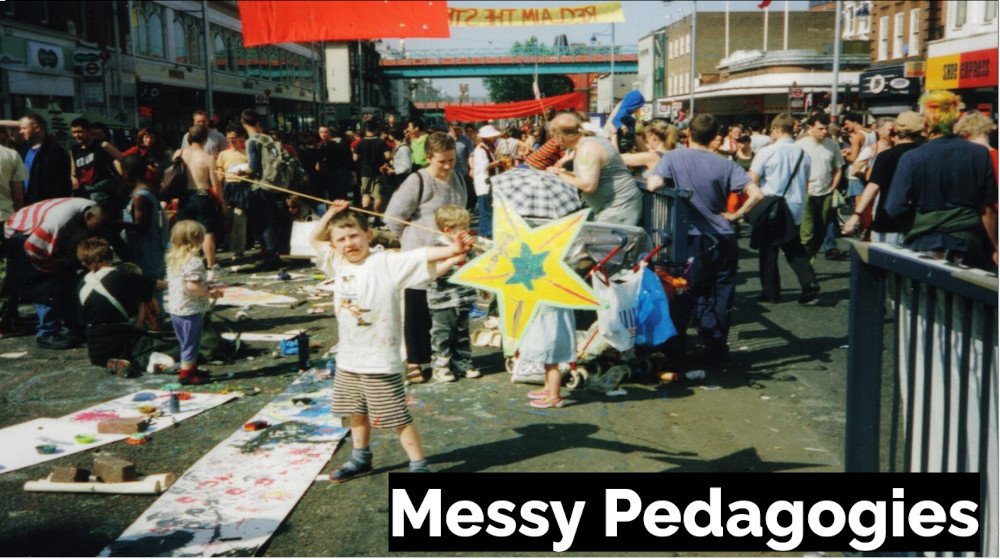
This post is in part a celebration of Mick Chesterman’s recently completed PhD, “Pump up the Jam”, and an opportunity to share two of the game-related research outputs. The thesis explored how game making can be designed as an inclusive, collaborative learning activity through five iterative cycles of design-based research with home-educating families over several years.
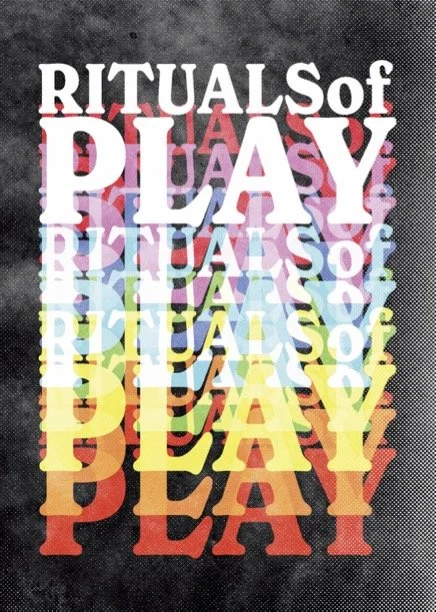
Rituals of Play, published by the Manchester Game Centre and DVRK, gathers seventeen pieces from writers, designers, artists, and practitioners who work at the threshold of games and the occult. Their work explores games as magical practice, and magic as a form of play. The zine gathers material from the Multiplatform event in 2025 (and beyond). Scholarly essays sit alongside working rituals, grimoires, games, and visual and sonic experiments, with no firm line drawn between studying (or practicing) the occult, and playing games.

Edited by Professor Jeff Howard (Falmouth University) and Dr Chloé Germaine (Manchester Metropolitan University), a new edited collection, Games and the Gothic: Playing in the Shadows, under contract with Edinburgh University Press, will examine how digital, tabletop, material, and role-playing forms of play engage the Gothic tradition. Drawing on Gothic studies, game studies, and literary criticism, contributors will explore how Gothic aesthetics, temporality, and affect intersect with mechanics, player agency, and game worlds.

At the 2026 Game Developers Conference in San Francisco, Green Games Guide board member Carol Mertz delivered a talk asking a pressing question: what responsibility do tabletop creators bear for the environmental impact of the games they make?

We are pleased to announce that the third annual Games Workshop Research and Play Convention (note the new name) is taking place on Saturday 19th September 2026 at the International Anthony Burgess Foundation, Manchester.

As part of her ongoing role as Academic Coordinator for the Sustainable Games Alliance, MGC Co-Director Chloé Wake has been building a global network of researchers and institutions committed to advancing sustainability in the games industry. The latest session in the Academic Global Action for a Sustainable Games Industry series is now available to watch — and features colleagues from the University of York.
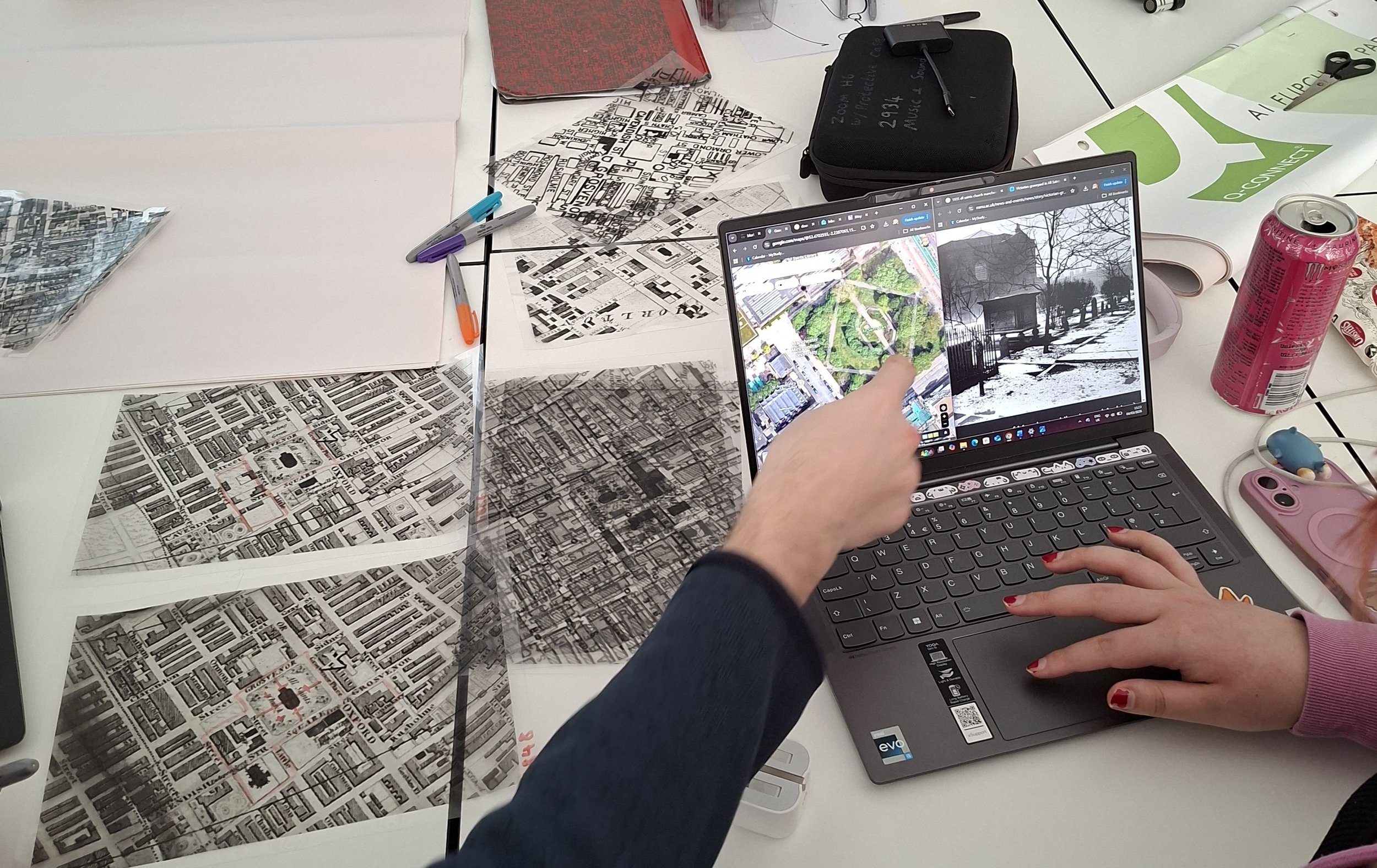
Report on a recent workshop for third year students based on the Real Engine project developed by MGC member Matteo Polato and Jacopo Bortolussi. The project uses videogame design as a practice-based methodology for analysing and presenting archives in the humanities. This workshop was designed specifically for humanities students that do not have a background in game design, to empower them to approach their research, and how to communicate it to diverse audiences, in new and exciting ways.