New open access publications by Gabriele Aroni (aesthetics, media literacy, and representation)
Centre member Gabriele Aroni has three new publications out on different aspects of his research on video games. All are open access and published in 2026.
The Visual Aesthetics of Video Games. Arts & Communication.
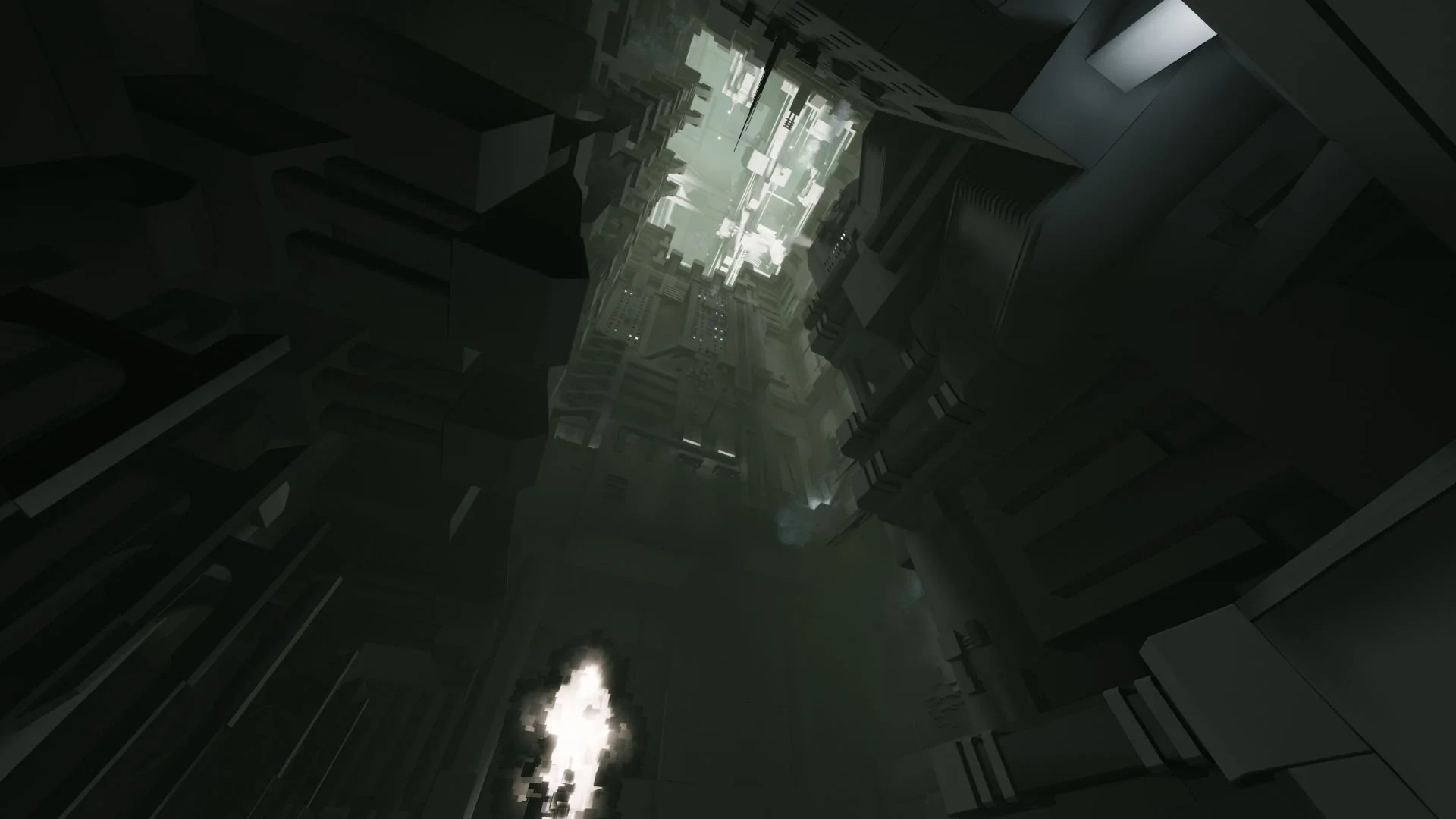
Video games, as the name implies, are meant to be played. But what role does the “video” play? This article explores the visual aesthetic discourse in digital games, arguing that this visual dimension rewards sustained aesthetic and semiotic attention in its own right, alongside interactivity and embodied agency. Digital games combine interactive, embodied, narrative, visual, aural, and symbolic dimensions, and this article focuses on how visual form helps produce aesthetic and semiotic meaning. As a predominantly visual medium, digital games invite aesthetic and semiotic engagement that extends beyond playing or winning. Drawing on Umberto Eco’s semiotics of architecture, this argument develops a sustained semiotic reading of the independent game NaissanceE, tracing how scale, texture, and light generate aesthetic and semiotic meaning.
The Role of Media Literacy in Enhancing the Educational Potential of COTS Video Games for Cultural Heritage. Societies, 16(8), 240.
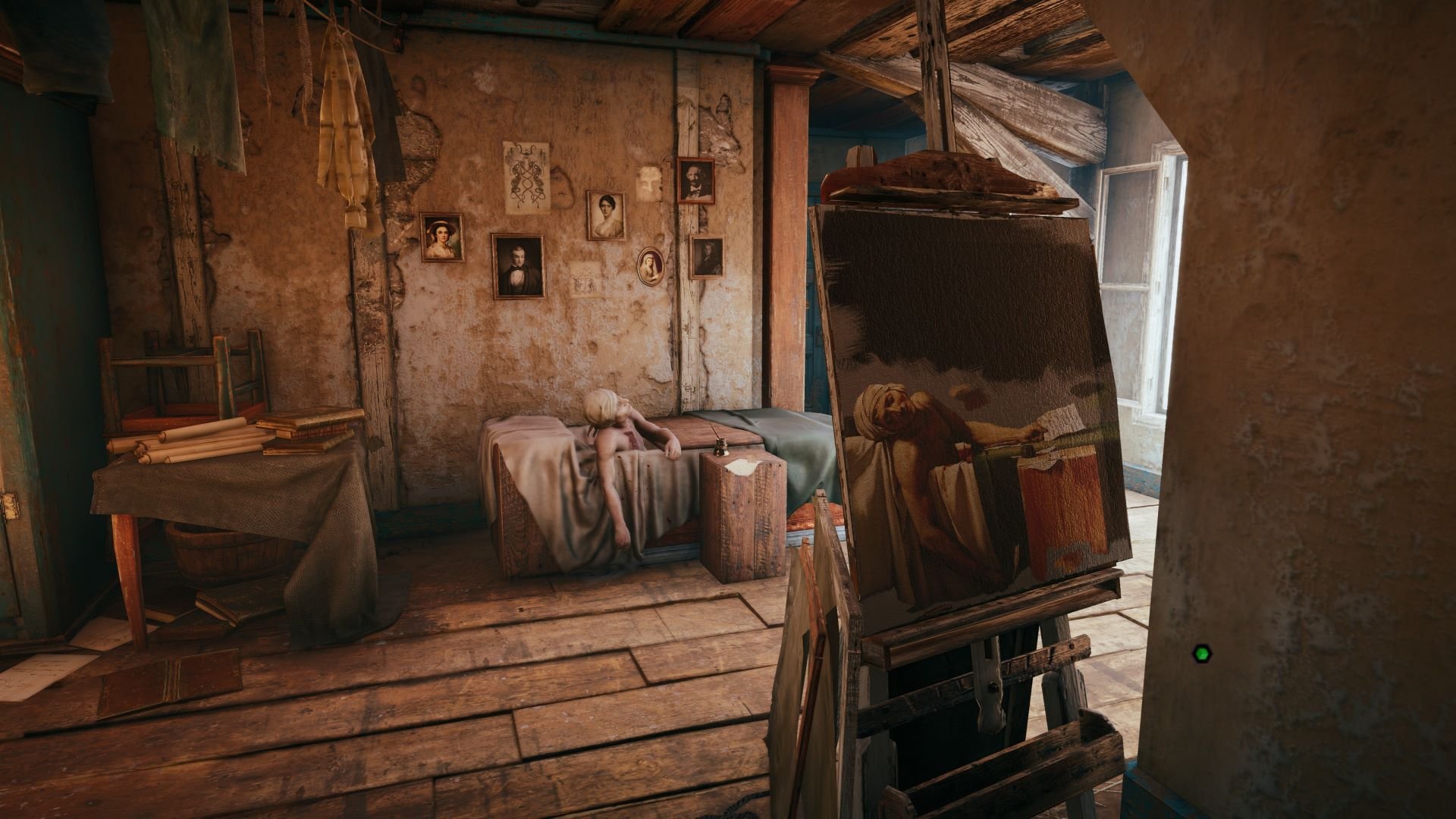
This paper explores the role of media literacy in enhancing the educational potential of commercial off-the-shelf (COTS) video games, particularly in the context of cultural heritage education within technology-enhanced learning environments. Rather than presenting new empirical data, the study draws on existing media literacy, game studies, and cultural heritage scholarship to propose a comprehensive media literacy framework that addresses the needs and competencies of five key stakeholders: (1) players; (2) game developers; (3) educators and researchers; (4) represented communities; and (5) cultural institutions. Video game spaces are mainly designed to create entertaining products, but even COTS games have potential educational and cultural features, such as the promotion of real-life locations and tangible and intangible heritage. This paper argues that fostering media literacy among developers and players can not only support the creation of more culturally aware game worlds but also strengthen the educational use of games within technology-enhanced learning environments. In synthesising and reconfiguring existing theoretical models, the framework offers new insight into the relationship between media literacy and cultural heritage in games, and identifies directions for future empirical research.
with Clara Chapdelaine-Feliciati. The Representation of Burn Survivors in Video Games under the UN Convention on the Rights of Persons with Disabilities. International Journal for the Semiotics of Law 39(7): 2603-2629.
Burn survivors are usually depicted as villains and othered as “marginalized” scarred bodies in several popular contemporary video games. As the UN Convention on the Rights of Persons with Disabilities (CRPD 2006) was adopted to tackle the situation of individuals with disabilities, including scarred persons, this article investigates whether the provisions of the CRPD could be employed to guide the production of video games in integrating “marginalized” individuals. Through an exploration of Peirce’s Triad of the Immediate, Dynamical and Final Interpretants, it examines the significance of the formulation of provisions in the CRPD for the content of the ever-growing medium that is video games. For this purpose, it analyzes provisions of the CRPD and general principles such as respect for difference and acceptance of persons with disabilities as part of human diversity and humanity. Finally, it considers whether burn survivors could be made more visible in the provisions of the CRPD.