Real Engine Workshop: Introducing Humanities Students to Creative Research Methods
On 4th March 2026, a small group of third year students from the School of History, Politics, and Philosophy took part in a Real Engine workshop, an extracurricular activity supplementing their unit ‘Gaming and the Humanities’. Real Engine is an artistic research project, developed by Matteo Polato and Jacopo Bortolussi (collectively as Yami Kurae), which uses videogame design as a practice-based methodology for analysing and presenting archives in the humanities. This workshop was designed specifically for humanities students that do not have a background in game design, to empower them to approach their research, and how to communicate it to diverse audiences, in new and exciting ways.
The workshop consisted of three elements: (1) an introduction to the Real Engine method by Matteo and Jacopo; (2) a demonstration of their game ‘The Fair’, and a playthrough by students of ‘How a Body Sounds’ (fig. 1); and (3) a practical workshop in which students used the Real Engine method to collaboratively design a game based on the history of All Saints Park (part of MMU’s campus). The team aims to complete their game over coming months.
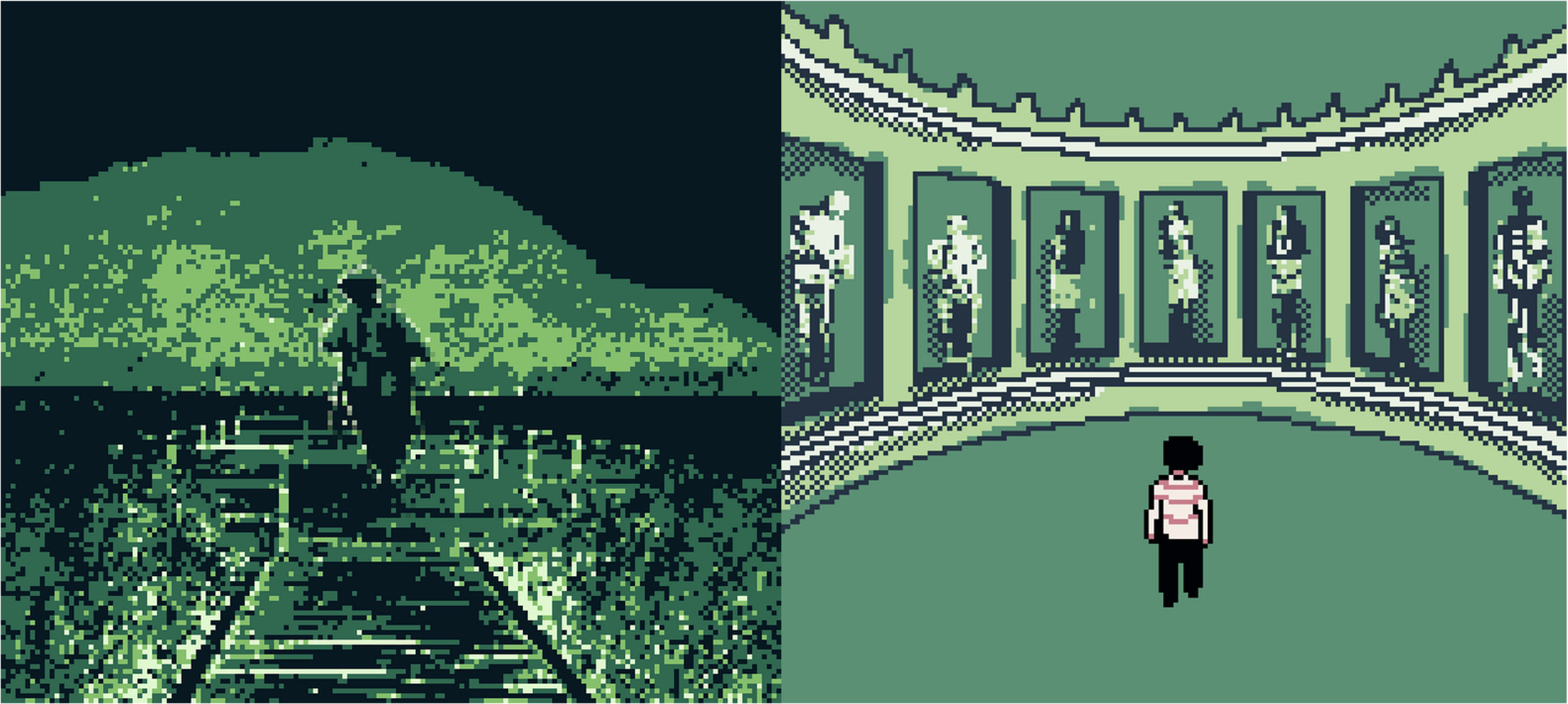
Fig. 1. ‘The Fair’ (left) and ‘How a Body Sounds’ (right) by Yami Kurae
One of the student participants provided the following reflection on the day’s events:
My name is Tomasz and I am studying an undergraduate history degree, and have a passion for games, especially strategy and story driven RPG games. When I applied for the Real Engine workshop, I was interested in the aspects of game development and design involving “lo-fi” techniques, something I had little experience with. It was a great privilege to hear Dr Matteo Polato and Dr Jacopo Bortolussi speak with great detail and passion about their projects and research. In particular, their projects titled “How a Body Sounds” and “The Fair”, explored such a unique and unknown topic to me that it immediately produced a great interest. The apparent simplicity of their encounters in a small village or town served as inspiration for the games and their deeper historical and interpretive value. As a history student, I was drawn to the historical significance of the town featured in “How a Body Sounds”, which had been destroyed and perfectly rebuilt after a disaster, and in “The Fair” this unassuming Italian village was the location of an old fishing tradition and underwater Cold War human habitation experiment. Finally, the event allowed (after a short introduction) for us participants to attempt making our own game, uniquely featuring inspiration from the historically and culturally significant All Saints Park (which we photographed using a Gameboy camera; fig. 2), leading to yet another new experience on the day. This experience of attempting to produce our own game using lo-fi software and techniques, firstly, allowed us to appreciate the difficulty and ingenuity of both Matteo and Jacopo in the innovate ways they utilised the software. And, secondly, the experience allowed us to attempt the creative process of game design (fig. 3).
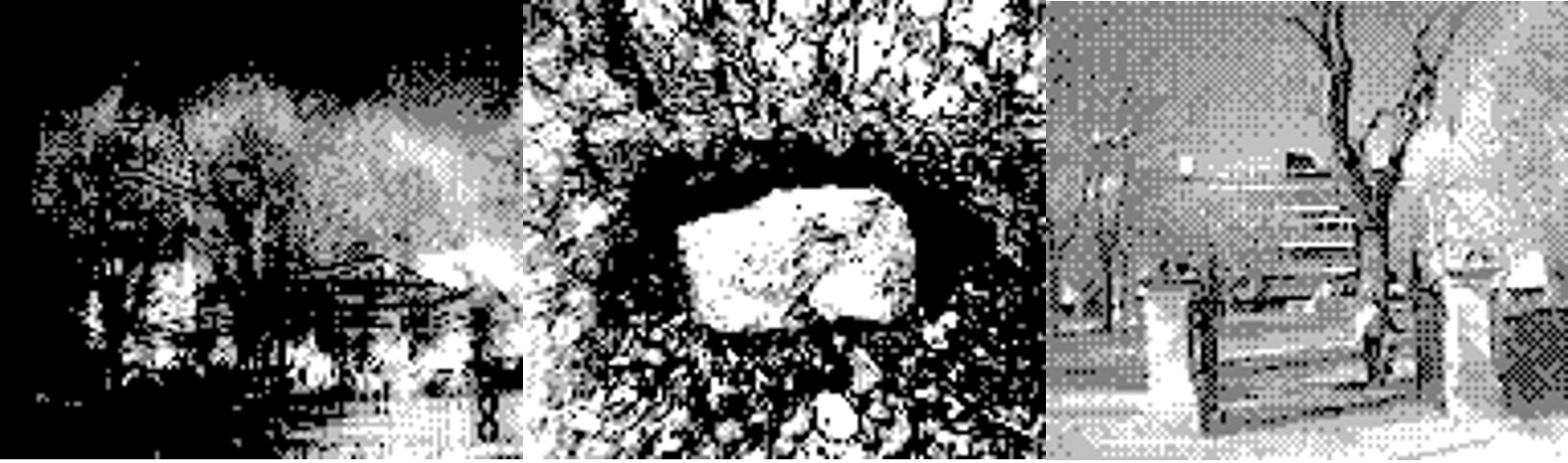
Fig. 2. Photos of All Saints Park taken by student participants with a GameBoy Camera (part of the MGC’s archive)
Overall, the workshop was an amazing opportunity for learning new skills and expanding my own understanding and knowledge of these lesser utilised game genres and techniques. I can say confidently that I thoroughly enjoyed both playing and learning about the games that Matteo and Jacopo produced and presented.
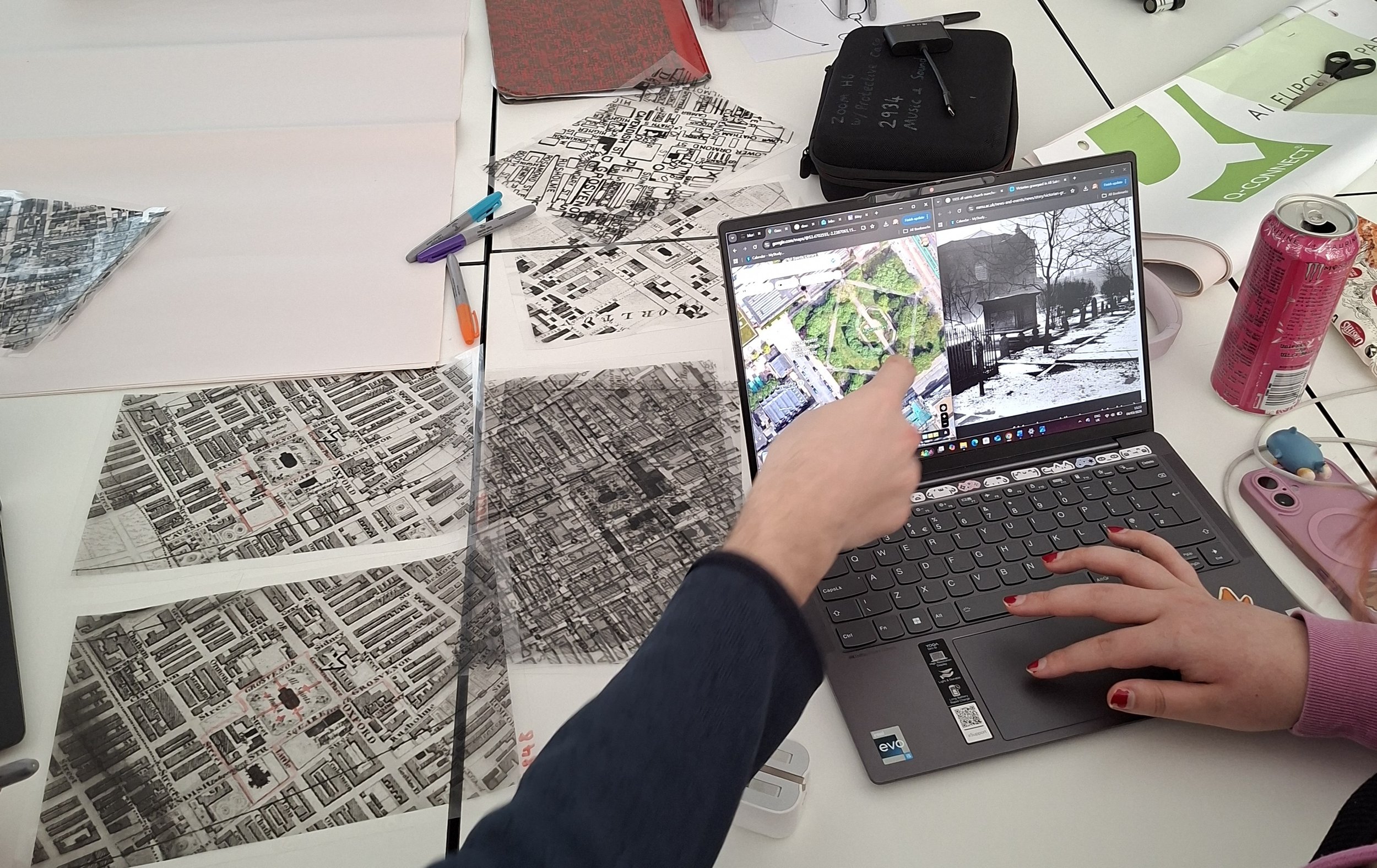
Fig. 3. Students engaging in the Real Engine workshop