Can board games play a role in neurodivergent treatment and support programmes?
Researchers from the University of Plymouth and the Manchester Game Centre, have secured funding for a 2026 workshop that will enable researchers and professionals to discuss the potential of games to help people with autism and other conditions.
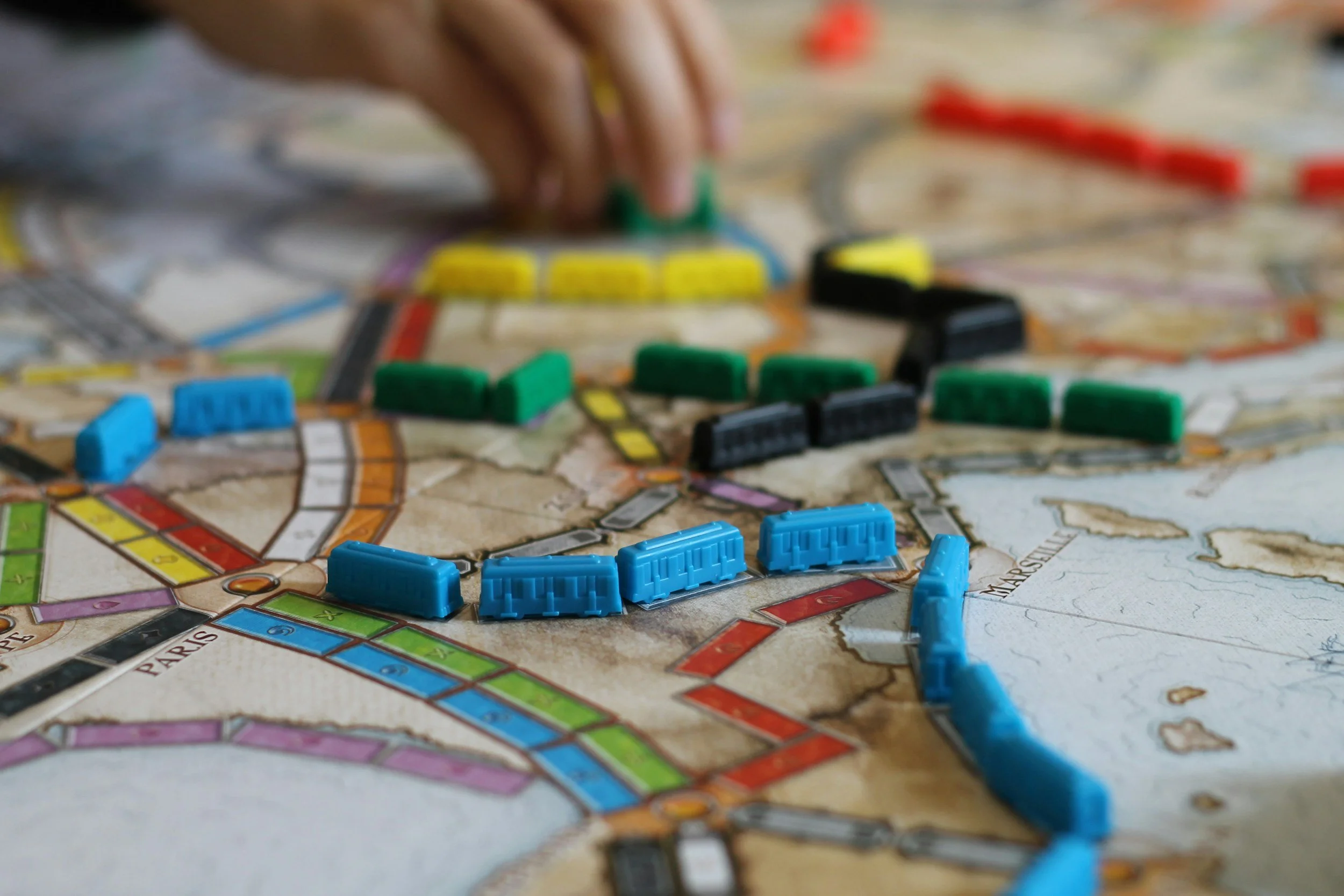
Many households across the UK will have wiled away hours over the festive period digging board games out of cupboards and engaging in friendly competition with friends and family members.
However, there is increasing evidence that many classics – and other modern tabletop role-playing games – have a wide range of social, educational, and therapeutic benefits, particularly among neurodivergent players.
Now they, and colleagues at Manchester Metropolitan University (in the Manchester Game Centre), have secured funding to host a national workshop that will explore how games might be integrated more widely into health and social care interventions.
The event, to be held at the Amelia Centre in Royal Tunbridge Wells during 2026, will be open to professionals from across the UK working in the mental health and education sectors.
Its ambition is to create the first toolkit of how tabletop role-playing games can be used to enhance people’s wellbeing, to draw together expert opinions into a series of recommendations, and to lay the groundwork for a large-scale controlled study on the impact of such games in social care.
The initiative is being led by Dr Gray Atherton and Dr Liam Cross, from the University of Plymouth’s School of Psychology, and funded through the international Game in Lab programme, which supports independent academic research into the societal and wellbeing impacts of tabletop games.
